11 Places to Visit in Croatia: Your Ultimate Travel Guide
Are you searching for the best 11 places to visit in Croatia? You’ve come to the right place. Croatia has become one of Europe’s most sought-after destinations. This stunning country offers crystal-clear waters, ancient walled cities, and breathtaking national parks.
Moreover, Croatia delivers experiences for every type of traveler. Whether you love beaches, history, or outdoor adventures, this guide covers it all. In this comprehensive post, you’ll discover exactly where to go and what to see. Additionally, we’ll share insider tips to make your Croatian adventure unforgettable.
From the famous Dalmatian Coast to hidden gems inland, Croatia never disappoints. Therefore, let’s dive into these incredible destinations that should be on your bucket list.
Why Croatia Should Be Your Next Travel Destination
Croatia offers a unique blend of Mediterranean charm and Eastern European culture. Furthermore, the country boasts over 1,000 islands along its coastline. The Adriatic Sea provides some of the clearest waters in the world.
The country’s rich history spans thousands of years. As a result, you’ll find Roman ruins, medieval fortresses, and Venetian architecture everywhere. Additionally, Croatian cuisine combines Italian, Hungarian, and Balkan influences.
Travel costs in Croatia remain reasonable compared to Western Europe. However, the quality of experiences rivals any top destination. The locals are famously welcoming to tourists. Consequently, you’ll feel at home from the moment you arrive.
Check here for more “Mediterranean destinations”.
Dubrovnik: The Pearl of the Adriatic
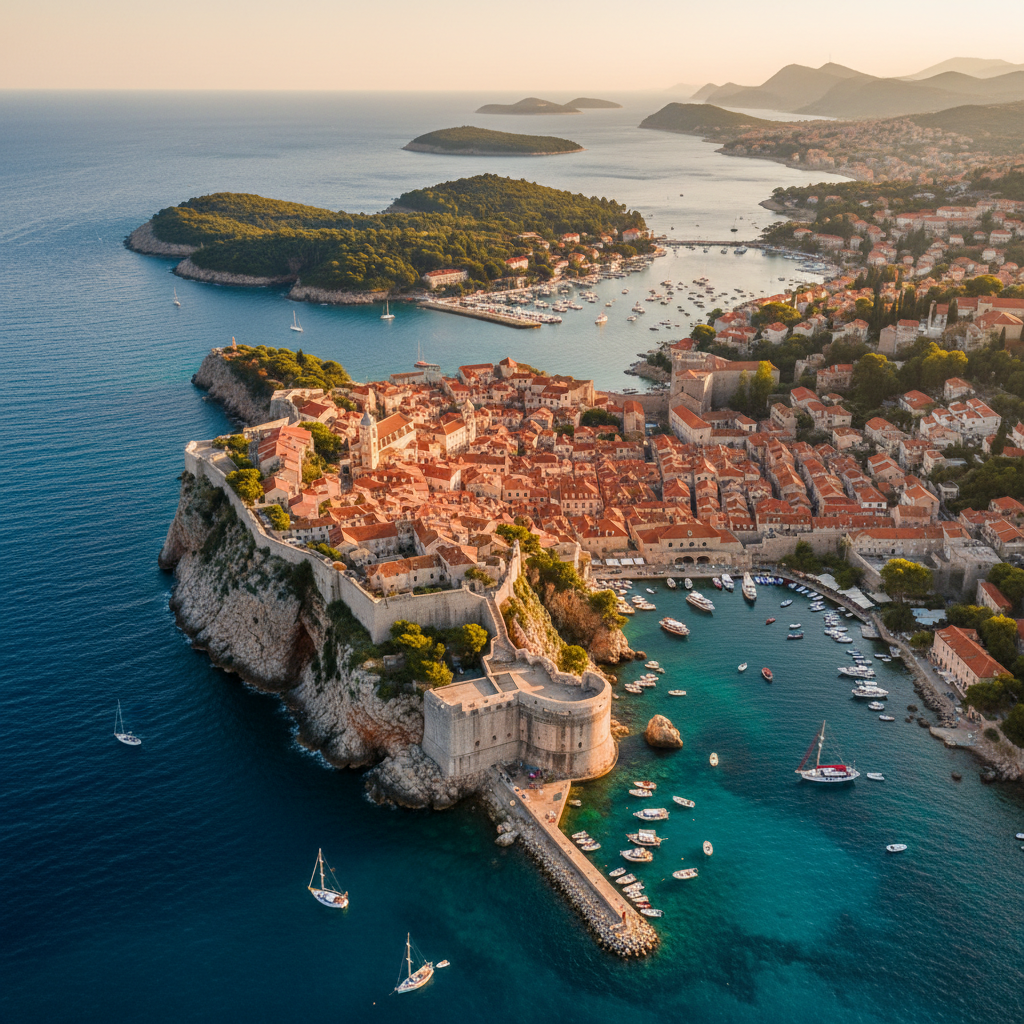
Dubrovnik tops most lists of places to visit in Croatia. This UNESCO World Heritage Site features perfectly preserved medieval walls. Walking these walls offers panoramic views of the old town and sea.
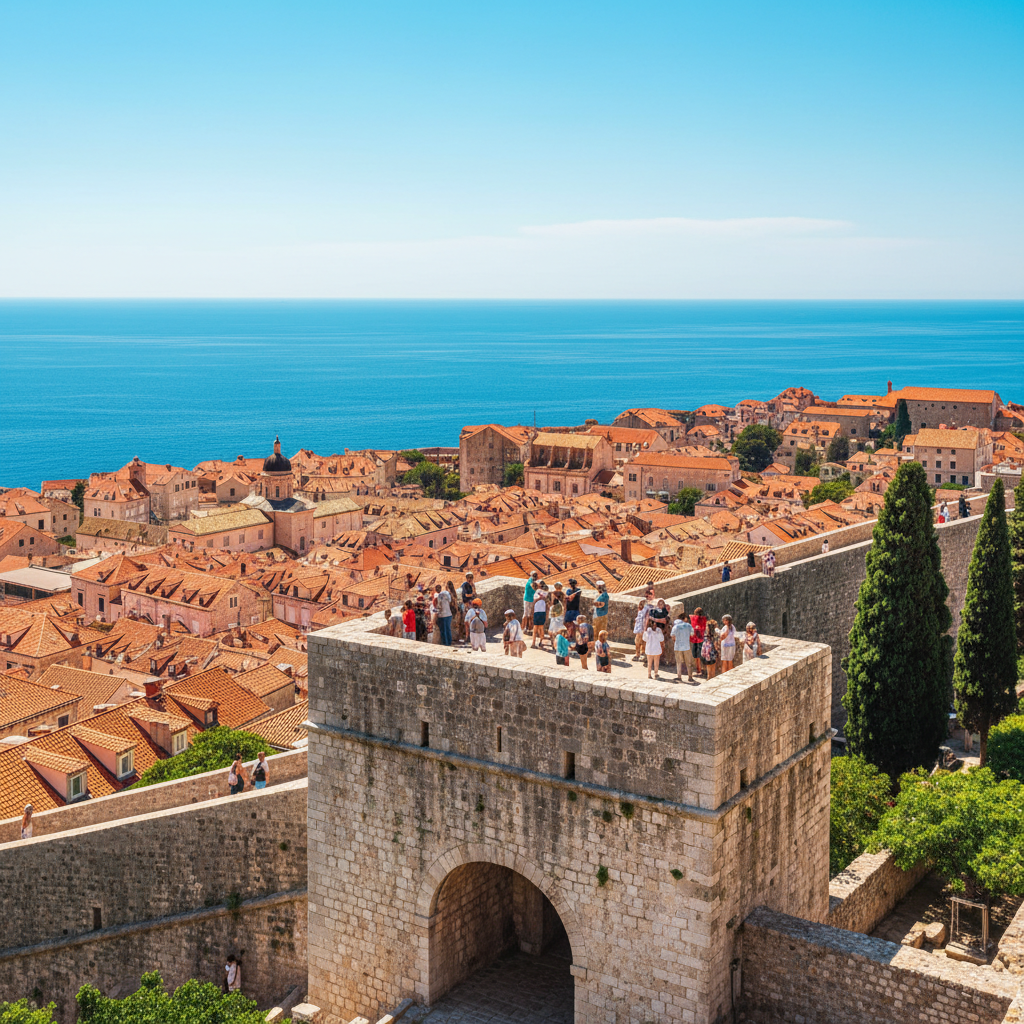
Game of Thrones fans will recognize Dubrovnik as King’s Landing. Therefore, guided tours take you through famous filming locations. The old town’s marble streets gleam under the Mediterranean sun.
Must-See Attractions in Dubrovnik
The Rector’s Palace showcases Gothic-Renaissance architecture at its finest. Similarly, the Franciscan Monastery houses Europe’s third-oldest functioning pharmacy. Fort Lovrijenac provides dramatic sunset views over the Adriatic.
Stradun, the main street, buzzes with cafes and shops. For example, you can sample local wines and fresh seafood here. The cable car to Mount Srđ offers breathtaking aerial perspectives of the city.
check: UNESCO World Heritage
Split: Ancient Roman Heritage Meets Modern Life
Split serves as Croatia’s second-largest city and a major ferry hub. Diocletian’s Palace forms the heart of this vibrant destination. Remarkably, people still live within the ancient palace walls today.
The palace dates back to the 4th century AD. However, it feels alive with restaurants, bars, and shops. The basement halls reveal the palace’s original Roman structure.
Riva promenade stretches along the waterfront. Here, locals and tourists gather to enjoy coffee and people-watch. Additionally, Split provides easy access to nearby islands like Hvar and Brač.
Exploring Beyond the Palace Walls
Marjan Hill offers hiking trails and stunning city views. The climb takes about 30 minutes at a moderate pace. Consequently, you’ll be rewarded with panoramic vistas of Split and the islands.
Bačvice Beach sits just minutes from the old town. This sandy beach is famous for picigin, a traditional Croatian ball game. Therefore, don’t miss watching locals play in the shallow waters.
Plitvice Lakes National Park: Nature’s Masterpiece
Plitvice Lakes represents one of the most beautiful places to visit in Croatia. This UNESCO site features 16 terraced lakes connected by waterfalls. The turquoise waters create an almost surreal landscape.
Wooden boardwalks wind through the park’s forests and lakes. As a result, visitors can explore without disturbing the delicate ecosystem. The park spans nearly 300 square kilometers of protected wilderness.
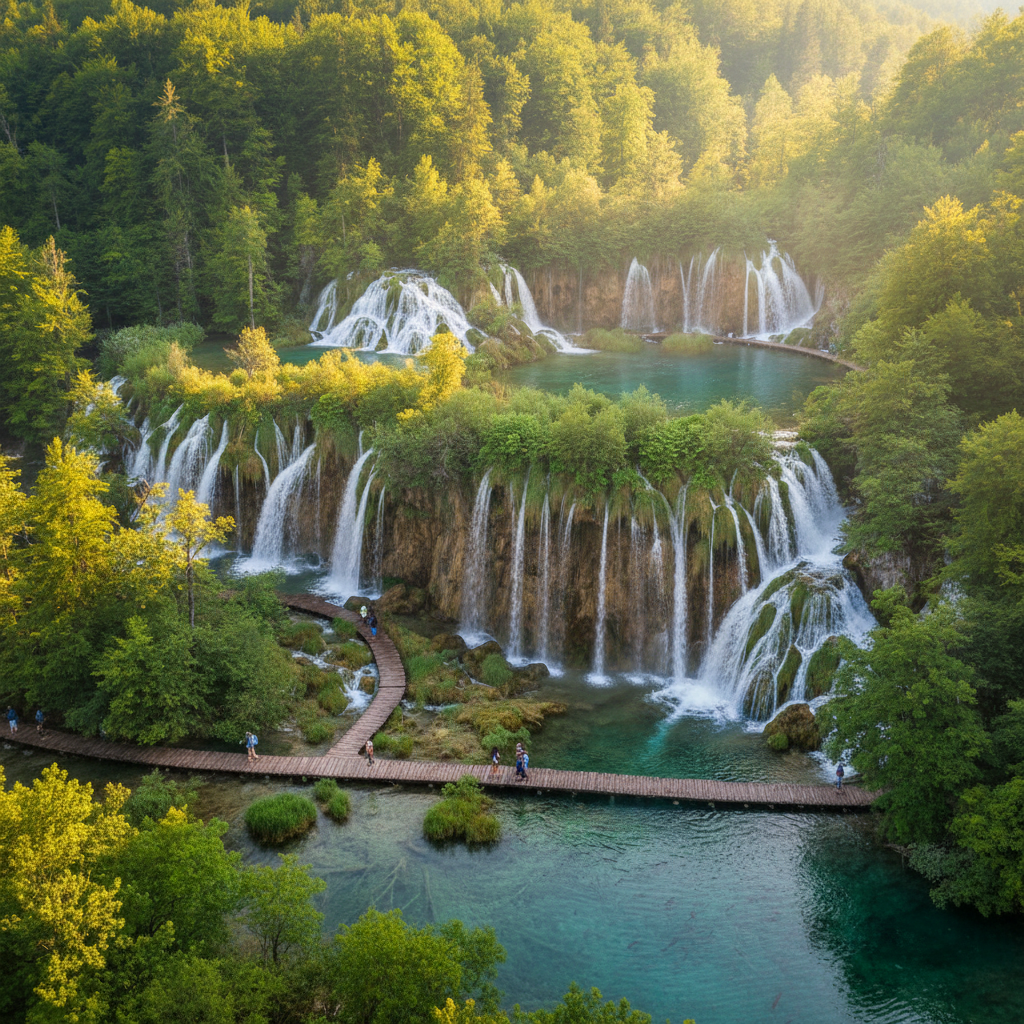
Spring and autumn offer the best visiting conditions. During these seasons, crowds thin and colors intensify. However, winter transforms the waterfalls into magical frozen sculptures.
[INTERNAL LINK: “national parks in Europe” linking to nature travel content]
Planning Your Plitvice Visit
Arrive early to avoid the largest tour groups. The park opens at 7 AM during summer months. Furthermore, booking tickets online saves time at the entrance.
Two main routes let you customize your experience. Route A takes about 2-3 hours for a shorter visit. In contrast, Route K requires 6-8 hours for the complete experience.
Hvar: The Glamorous Island Escape
Hvar Island attracts celebrities, yachters, and sun-seekers alike. The island enjoys more sunny days than anywhere else in Croatia. Consequently, lavender fields and vineyards thrive in this Mediterranean climate.
Hvar Town features a stunning harbor lined with luxury yachts. The 13th-century fortress overlooks the town from above. Additionally, the main square ranks among the largest in Dalmatia.
Nightlife in Hvar rivals any Mediterranean hotspot. Beach clubs and cocktail bars keep the party going until dawn. However, the island also offers peaceful villages for quieter escapes.
Hidden Gems on Hvar Island
Stari Grad, the island’s oldest settlement, offers authentic Croatian charm. This town predates Hvar Town by centuries. Therefore, history enthusiasts will appreciate its ancient Greek origins.
The Pakleni Islands lie just offshore from Hvar Town. Water taxis shuttle visitors to secluded beaches and restaurants. For example, Palmižana offers excellent swimming and dining options.
Rovinj: The Romantic Istrian Jewel
Rovinj captures the essence of Mediterranean romance perfectly. This fishing town sits on a peninsula in the Istrian region. Colorful buildings cascade down to the sparkling harbor below.
The Church of St. Euphemia dominates the town’s skyline. Climbing the bell tower rewards visitors with 360-degree views. Similarly, the narrow cobblestone streets invite endless exploration.
Istrian cuisine differs from Dalmatian fare significantly. Truffles, olive oil, and wine define this region’s gastronomy. Consequently, foodies consider Rovinj a must-visit destination.
Experiencing Istrian Culture
Local konobas serve traditional dishes at reasonable prices. Try fuži pasta with truffles for an authentic experience. Additionally, Istrian wines like Malvazija pair perfectly with local seafood.
The Rovinj archipelago includes 14 small islands nearby. Boat trips offer swimming, snorkeling, and island-hopping adventures. Red Island remains the most popular day-trip destination.
Zadar: Where History Meets Innovation
Zadar perfectly balances ancient history with modern creativity. Roman ruins stand alongside contemporary art installations here. The Sea Organ creates music from ocean waves pushing through pipes.
The Sun Salutation installation lights up at sunset. This solar-powered circle creates a stunning light show nightly. Therefore, Zadar’s waterfront offers unique experiences found nowhere else.
The old town occupies a small peninsula. Consequently, everything remains walkable within this compact area. Roman forums, medieval churches, and Venetian architecture fill every corner.
Zadar’s Unique Attractions
The Church of St. Donatus dates to the 9th century. Its circular design makes it architecturally significant. Additionally, the church hosts classical music concerts during summer.
The Museum of Ancient Glass showcases Roman glasswork. This unique collection spans over 2,000 years of history. Furthermore, visitors can watch glassblowing demonstrations on-site.
Korčula: The Birthplace of Marco Polo
Korčula Island claims to be Marco Polo’s birthplace. This charming destination features a perfectly preserved medieval old town. The town’s layout resembles a fishbone pattern for wind protection.
Vineyards cover much of the island’s interior. Grk and Pošip wines originate from Korčula’s slopes. Therefore, wine tasting tours offer delightful afternoon activities.
The island maintains traditional sword dances called Moreška. These performances occur regularly during summer months. Consequently, visitors experience living Croatian cultural traditions.
Krka National Park: Waterfall Paradise
Krka National Park offers another stunning natural destination. Unlike Plitvice, swimming is permitted at Krka’s main waterfall. The Skradinski Buk waterfall cascades over 17 travertine steps.
Boat trips navigate the Krka River through the park. Historic mills and monasteries dot the landscape. Additionally, the park requires less time than Plitvice to explore fully.
Trogir: A Living Museum Town
Trogir’s old town occupies a tiny island between the mainland and Čiovo. UNESCO recognized this town for its exceptional Romanesque-Gothic architecture. The Cathedral of St. Lawrence features a stunning carved portal.
Walking through Trogir feels like stepping back centuries. However, excellent restaurants and cafes keep the town lively. Furthermore, Trogir sits just 30 minutes from Split airport.
Šibenik: The Authentic Croatian Experience
Šibenik often gets overlooked by tourists rushing to Dubrovnik. This authentic city features the Cathedral of St. James, a UNESCO masterpiece. The cathedral was built entirely from stone without using mortar.
Four fortresses once protected Šibenik from invaders. Today, these fortresses host concerts and offer panoramic views. Consequently, Šibenik provides a less crowded alternative to busier destinations.
Zagreb: The Vibrant Capital City
Zagreb deserves inclusion among the 11 places to visit in Croatia. The capital city offers world-class museums, restaurants, and nightlife. Upper Town features medieval architecture and the iconic St. Mark’s Church.
The Museum of Broken Relationships presents a unique concept. Dolac Market showcases fresh local produce daily. Additionally, Zagreb’s cafe culture rivals any European capital.
Best Time to Explore These Croatian Destinations
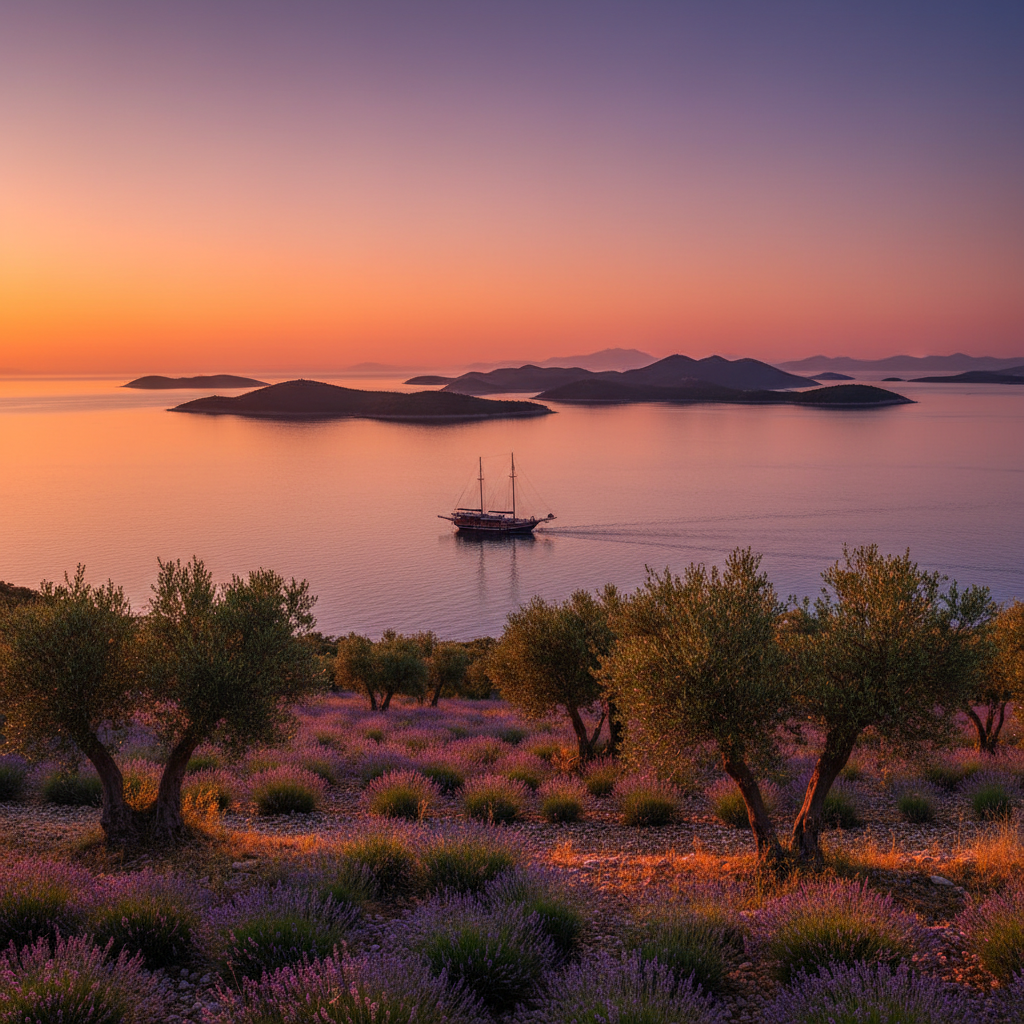
Summer brings the warmest weather and biggest crowds. Therefore, consider visiting during May, June, or September instead. These shoulder months offer pleasant temperatures and fewer tourists.
Each destination has its optimal visiting season. For example, Plitvice Lakes looks magical in autumn colors. Coastal towns shine brightest during summer months.
Conclusion: Plan Your Croatian Adventure Today
These 11 places to visit in Croatia offer incredible diversity. From ancient cities to pristine national parks, Croatia delivers unforgettable experiences. Moreover, the country’s compact size makes visiting multiple destinations easy.
Start planning your Croatian adventure today. Book accommodations early, especially for summer travel. Additionally, consider renting a car for maximum flexibility between destinations.
Croatia awaits with open arms and stunning beauty. Whether you seek relaxation, adventure, or cultural immersion, you’ll find it here. These 11 places to visit in Croatia will create memories lasting a lifetime.
Ready to explore Croatia? Share this guide with your travel companions and start planning your dream trip today!